
Complete product guide
The Complete Shutters Buying Guide
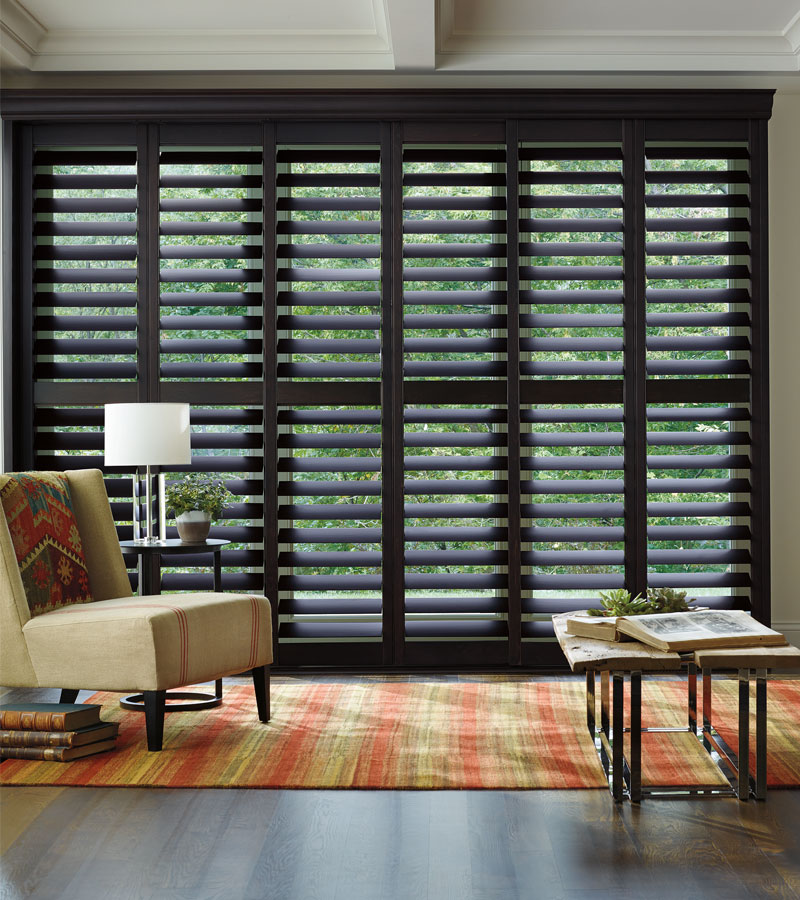
Permanent framed panels with adjustable louvres and strong architectural presence.
Understand the essentials
A closer look at shutters and the decisions that shape the result.
Interior shutters are rigid panels mounted within or around the window opening. Adjustable louvres manage light, view and privacy, while hinged or tracked panels provide access to the glass. Their furniture-like construction gives them a substantial, built-in appearance.
Why homeowners choose them
Four reasons this guide deserves careful consideration.
01
Architectural finish
Frames and panels become a lasting part of the room’s millwork.
02
Precise light control
Tilt the louvres from open view to filtered light or increased privacy.
03
Durable construction
Quality materials withstand frequent daily operation.
04
Low-maintenance surface
Smooth louvres are generally easy to dust and wipe clean.
How it works
How shutters are designed and built
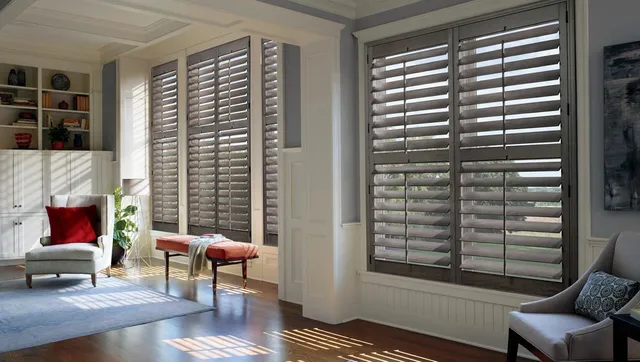
Shutters consist of a frame, hinged or tracked panels, horizontal louvres and a tilt system. Materials may include wood, composite or vinyl. Panel width, louvre size, divider rails and frame style are selected around the window dimensions, trim and required access.
Compare before you choose
How this option differs from nearby alternatives.
Shutters are compared with wood blinds and cellular shades. Choose shutters for a permanent architectural feature and rigid louvres. Choose wood blinds for a lighter removable treatment with lift capability. Choose cellular shades when insulation and compact stacking are more important.
Where it works beautifully
Consider the room, exposure, privacy needs and how often the treatment will be adjusted.
01
Living rooms
Create a tailored built-in look that suits both traditional and transitional interiors.
02
Bedrooms
Combine adjustable privacy with a substantial finished appearance.
03
Bathrooms
Use moisture-appropriate composite or vinyl materials.
04
Specialty windows
Custom frames can address arches, angles and other unusual shapes.
Questions, answered
Frequently asked questions
Clear, practical guidance based on the questions homeowners ask most often.
Do shutters make a room dark?
Closed louvres reduce light, but shutters do not normally create complete darkness because light can enter between louvres, panels and frames.
Are wood or composite shutters better?
Wood offers authentic grain and lighter weight. Composite materials can provide greater moisture resistance and consistent finish.
What louvre size should I choose?
Larger louvres provide a more open view and contemporary scale. Smaller louvres suit compact windows and traditional detailing.
Can shutters fit over existing trim?
Yes, with the correct frame style and measurements. The installer must account for trim projection, handles and opening clearance.
Do shutter panels open?
Most hinged panels open for cleaning and full window access. Sliding or bi-fold configurations may be used for wide openings.
Are shutters energy efficient?
Their rigid panels and close fit can help reduce drafts and solar exposure, but performance depends on material, frame and window construction.
How do I clean shutters?
Dust louvres regularly and wipe approved finishes with a lightly damp cloth. Avoid excess water on wood products.
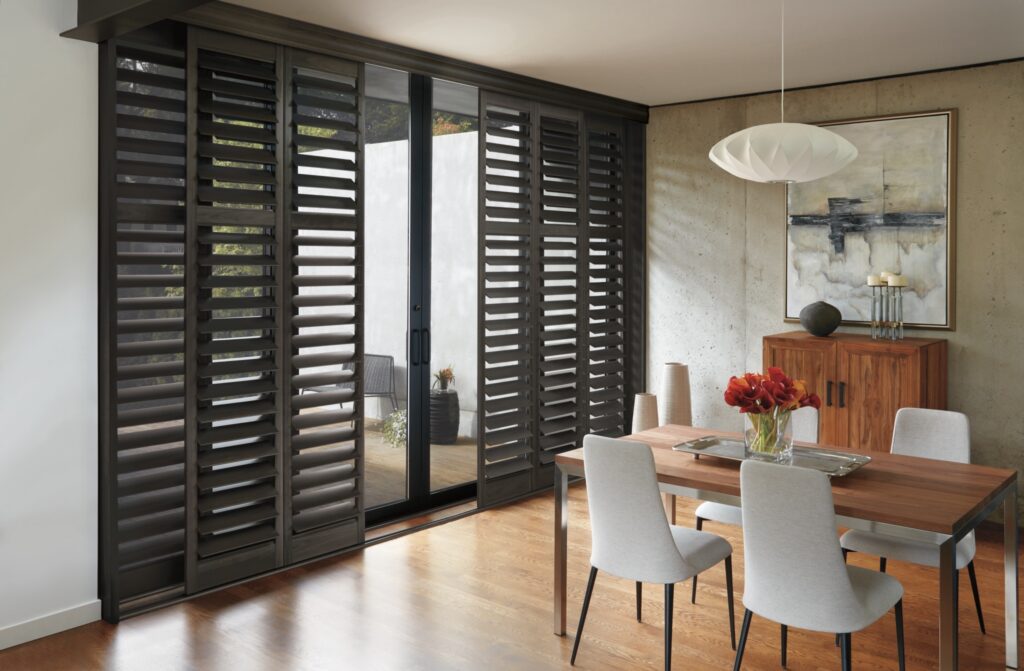
Can shutters be installed on patio doors?
Yes, using tracked, bi-fold or bypass systems designed for large openings and access.
Do shutters increase home value?
They are often perceived as a durable architectural upgrade, though value depends on quality, fit and buyer preference.
How long do shutters last?
Well-made shutters can last for many years with correct installation, gentle operation and routine hardware maintenance.
Care & longevity
Protect the materials and the mechanism.
Dust louvres and frames, keep hinges and tracks clear, and avoid forcing panels against obstructions. Tighten or service hardware if panels begin to sag or louvres no longer hold position.
Guidance made personal
Ready to choose with confidence?
Meet with The Blind Shop design experts to compare materials, control options and performance in your own space.