

Complete product guide
The Complete Care & Maintenance Buying Guide
Cleaning, routine inspection and habits that extend the life of custom window coverings.
Understand the essentials
A closer look at care & maintenance and the decisions that shape the result.
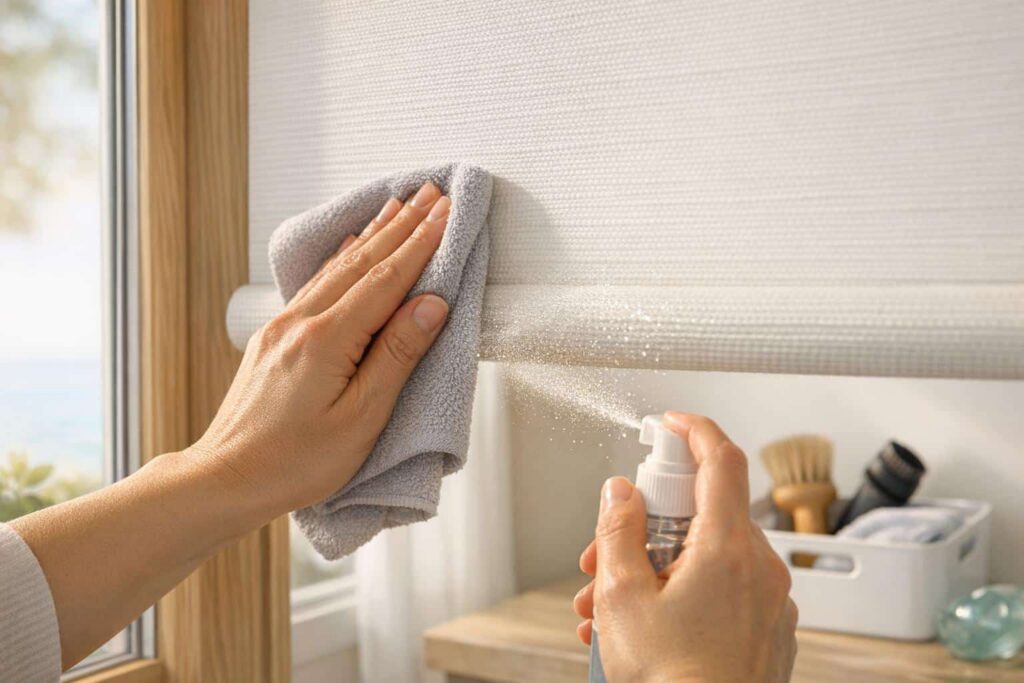
Good maintenance is usually gentle and consistent. Dust removal, careful operation and early attention to alignment protect fabrics, slats, tracks and motors. Cleaning methods must match the exact material because water or chemicals that are safe for one product may damage another.
Why homeowners choose them
Four reasons this guide deserves careful consideration.
01
Regular dusting
Prevent buildup before it becomes difficult to remove.
02
Material-specific care
Follow the fabric, wood, vinyl or metal instructions supplied with the product.
03
Gentle operation
Avoid forcing shades, blinds, panels or tracks past resistance.
04
Early service
Correct frayed cords, uneven rolling and loose hardware before damage spreads.

How it works
How care & maintenance are designed and built
Window coverings combine visible materials with hidden mechanical parts. Fabric panels, slats and vanes need surface care, while headrails, clutches, carriers, motors and brackets need clear movement and secure mounting. The safest routine starts with dry cleaning methods and manufacturer guidance.
Compare before you choose
How this option differs from nearby alternatives.
Fabric shades usually require low-suction dusting. Wood needs minimal moisture. Faux wood, vinyl and many metals tolerate light wiping. Sheer fabrics need very delicate handling. Drapery care depends on fibre, lining and construction and may require professional cleaning.
Where it works beautifully
Consider the room, exposure, privacy needs and how often the treatment will be adjusted.
01
High-traffic rooms
Dust more frequently where windows are opened often or near kitchens.
02
Bedrooms
Vacuum fabrics gently and inspect cords or motors during seasonal cleaning.
03
Commercial spaces
Use a documented routine so many treatments receive consistent care.
04
Homes with pets
Remove hair and debris before it enters tracks or wraps around controls.
Questions, answered
Frequently asked questions
Clear, practical guidance based on the questions homeowners ask most often.
How often should window coverings be cleaned?
Light dusting every few weeks and a deeper inspection seasonally is a practical starting point, adjusted for the room.
Can I use household spray cleaner?
Only if approved for the exact material. Overspray can stain fabric or enter mechanisms.
Can fabric shades be washed?
Most should not be immersed. Follow the manufacturer’s approved spot-cleaning or professional-cleaning method.
How do I clean wood blinds?
Dust and wipe with a barely damp cloth approved for the finish. Avoid soaking or steam.
What causes a roller shade to telescope?
Uneven installation, fabric tracking, tube alignment or an obstruction can make the roll drift sideways.
Should I lubricate tracks or mechanisms?
Only with a manufacturer-approved product. General oils can attract dust or damage plastics and fabrics.
What should I do with frayed cords?
Stop using the product and arrange service. Frayed cords can fail and may create safety concerns.
How do I care for motors?
Keep power connections accessible, charge batteries as directed and avoid repeated operation if the motor stalls.
Can bent blind slats be repaired?
Minor aluminum bends may be improved carefully, but creased or damaged slats often require replacement.
When is professional cleaning best?
Use professional care for delicate sheers, lined drapery, large installations, stains or materials with uncertain cleaning requirements.
Care & longevity
Protect the materials and the mechanism.
Keep the original care information, note product names and fabrics, and inspect all treatments seasonally. Stop operation when resistance, noise or misalignment appears rather than forcing the mechanism.
Guidance made personal
Ready to choose with confidence?
Meet with The Blind Shop design experts to compare materials, control options and performance in your own space.