
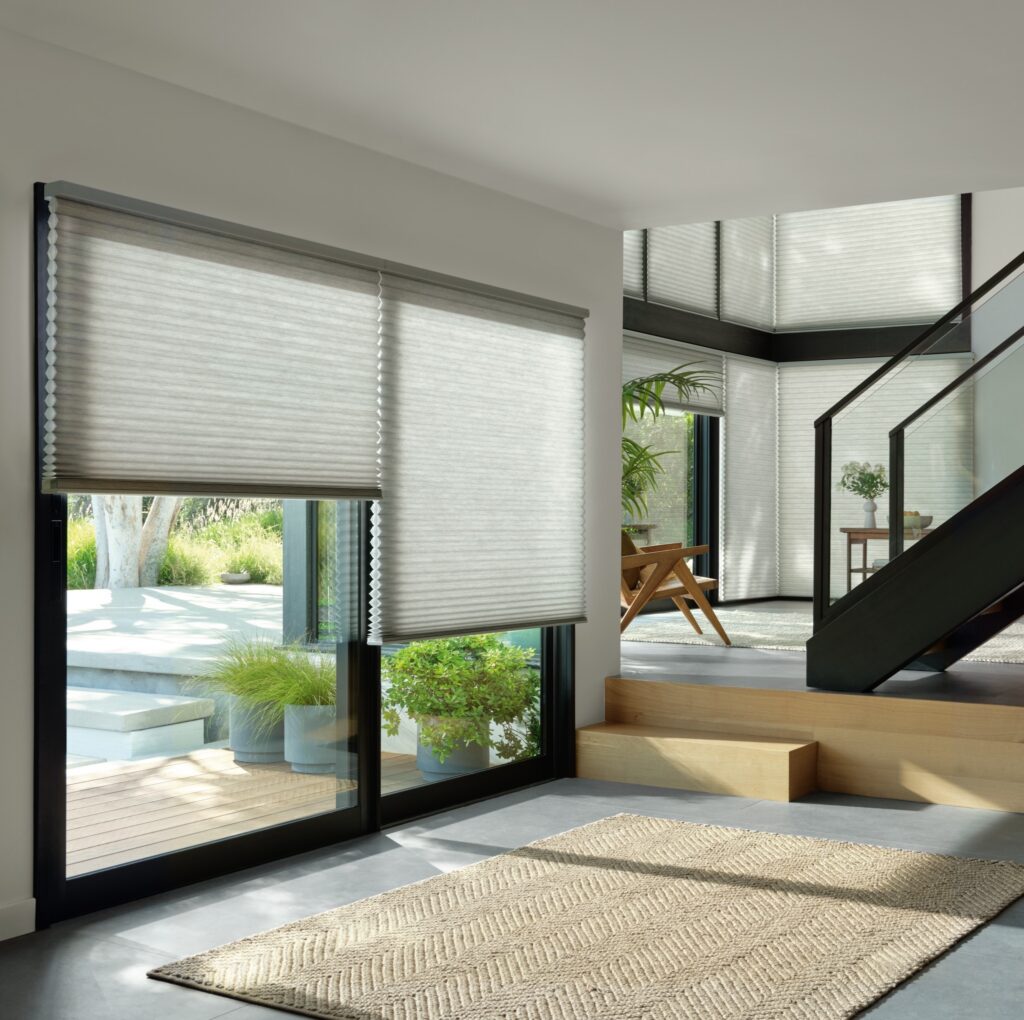
Complete product guide
The Complete Cellular Shades Buying Guide
A detailed, practical guide to performance, design, operating systems, common questions and the decisions that shape a successful result.
Comfort through construction
A lightweight shade designed to trap air and improve comfort at the glass.
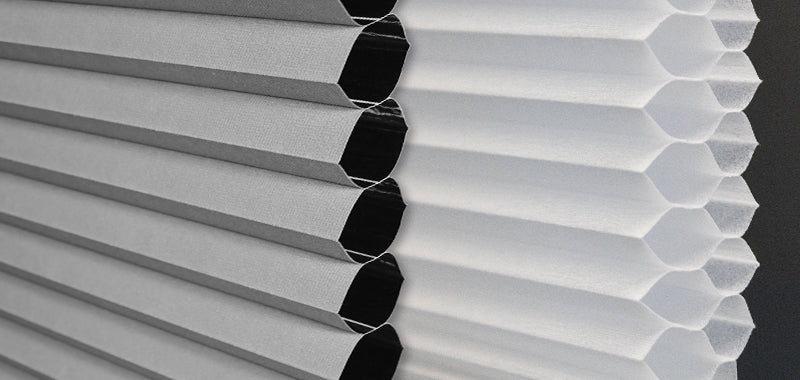
Cellular shades are formed from pleated fabric bonded into honeycomb-shaped cells. The pockets of air help slow heat transfer, making cellular shades a strong choice for Calgary winters, hot summer exposures and rooms where comfort matters.
Why homeowners choose them
Four reasons this product remains a trusted choice.
01
Improved insulation
Air pockets create an added thermal layer at the window.
02
Flexible privacy
Available in sheer, light-filtering and room-darkening fabrics.
03
Top-down bottom-up
Selected systems can preserve daylight while protecting privacy.
04
Compact stack
The shade raises into a relatively small stack for an open view.
How it works
Single-cell, double-cell and fabric choices
Single-cell shades are lighter and compact. Double-cell constructions add another layer of air pockets and can improve thermal performance, though they may stack slightly deeper. Fabric opacity, cell size, rail design and fit all influence performance.
Compare before you choose
How this product differs from nearby alternatives.
Cellular shades generally insulate better than roller or solar shades. Roller shades offer a flatter, more architectural look and a wider decorative fabric range. Shutters provide durable architectural presence but occupy more of the opening.
Where it works beautifully
Consider the room, exposure, privacy needs and how often the treatment will be adjusted.
01
Living spaces
Balance daylight, view and a finished architectural appearance.
02
Bedrooms
Prioritize privacy, darkness, insulation and quiet operation.
03
Kitchens & dining
Choose materials that suit moisture, cleaning and daily use.
04
Home offices
Control glare without making the room feel closed in.
Questions, answered
Frequently asked questions
Clear, practical guidance based on the questions homeowners ask most often.
Are cellular shades the most energy-efficient option?
They are among the strongest interior insulating treatments because the honeycomb structure traps air. Actual performance depends on fit, glazing, cell construction and how consistently the shades are used.
What is the difference between single-cell and double-cell?
Single-cell shades use one row of air pockets. Double-cell shades use two, increasing the insulating layers but often adding thickness and cost.
Can cellular shades be blackout?
Yes. Room-darkening cellular fabrics block light through the material, though small side gaps may remain.
What is top-down bottom-up?
It allows the upper portion of the shade to lower while the bottom remains covered, bringing in daylight above eye level while maintaining privacy below.
Are cellular shades good for bedrooms?
Yes. Their soft appearance, insulation and room-darkening options make them especially well suited to bedrooms.
Can cellular shades be motorized?
Yes, depending on size and system. Motorization is useful for high windows and coordinated groups.
Do cellular shades collect dust?
They can collect surface dust, but regular gentle vacuuming keeps them clean. Avoid crushing the pleats.
Are they suitable for bathrooms?
They may be suitable when the fabric is approved for humid conditions and direct water exposure is avoided.
How durable are cellular shades?
Quality shades are durable under normal use. Careful operation and correct sizing help maintain pleat shape and rail alignment.
Do they work on specialty windows?
Some manufacturers offer cellular solutions for skylights, arches and angled windows. Availability depends on shape and operating requirements.
Care & longevity
Protect the materials and the mechanism.
Gentle dusting, careful operation and prompt attention to alignment or mechanism concerns will preserve appearance and performance. Always follow the fabric and manufacturer care instructions supplied with the finished product.
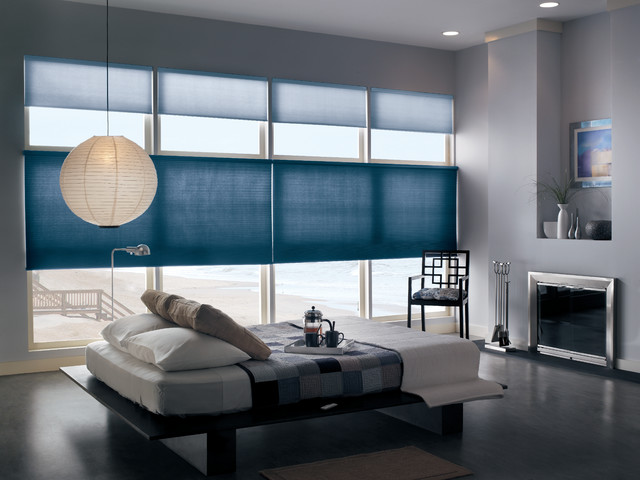
Guidance made personal
Ready to choose with confidence?
Meet with a Blind Shop design expert to compare materials, control options and performance in your own space.