
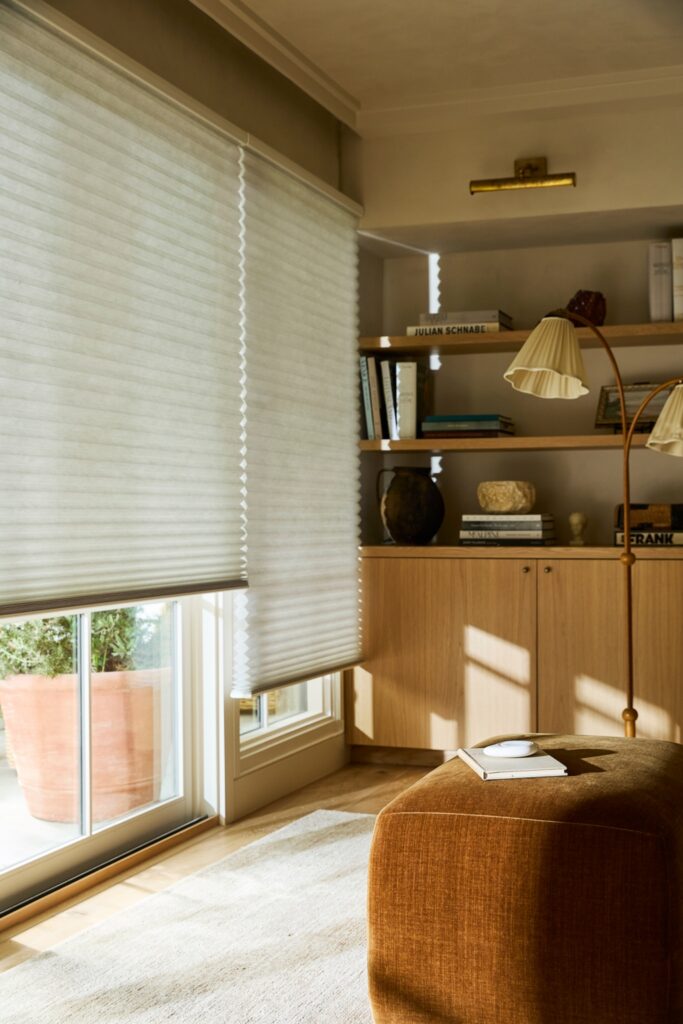
Complete product guide
The Complete Energy Efficiency Buying Guide
How window coverings influence heat loss, solar gain and seasonal comfort.
Understand the essentials
A closer look at energy efficiency and the decisions that shape the result.
Windows can be a major source of heat loss in winter and solar heat gain in summer. Window coverings help by creating air layers, reflecting solar energy and reducing direct radiant exposure. Performance depends on product construction, fit, glazing and consistent use.
Why homeowners choose them
Four reasons this guide deserves careful consideration.
01
Winter comfort
Insulating treatments can reduce cold-window discomfort and drafts.
02
Summer heat control
Closing shades before strong sun reaches the glass can limit solar gain.
03
Layered performance
Combining shades and drapery adds air space and coverage.
04
Automated routines
Schedules make it easier to close treatments at the most effective times.
How it works
How energy efficiency are designed and built
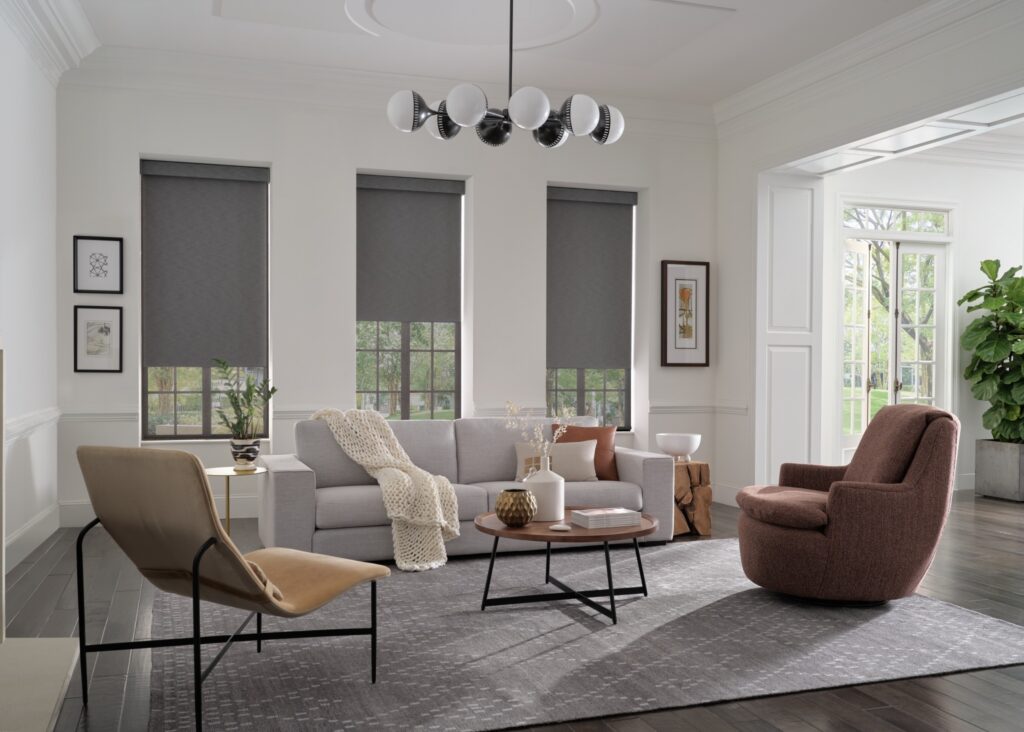
Cellular pockets, lined fabrics, close-fitting shutters and layered drapery each slow heat transfer in different ways. Inside-mounted products benefit from a close fit, while outside-mounted treatments increase coverage. Reflective or light-coloured street-side surfaces can improve summer solar management.
Compare before you choose
How this option differs from nearby alternatives.
Cellular shades generally provide the strongest insulation among compact shades. Solar shades are effective for glare and solar exposure while preserving view. Drapery adds coverage and layering. Shutters provide rigid panels and frames. The best choice depends on whether winter heat loss, summer gain or view preservation is the priority.
Where it works beautifully
Consider the room, exposure, privacy needs and how often the treatment will be adjusted.
01
Cold-climate bedrooms
Use insulating shades and close them overnight for comfort.
02
West-facing rooms
Block intense afternoon sun before heat builds up.
03
Large glass areas
Coordinate multiple treatments or automation for consistent use.
04
Older windows
Improve comfort with close-fitting, layered coverings while considering window condition.
Questions, answered
Frequently asked questions
Clear, practical guidance based on the questions homeowners ask most often.
Do solar shades keep heat out?
They reduce solar gain when closed, but performance varies by openness, colour, glazing and whether they are installed inside or outside.
Are blackout fabrics insulating?
They may reduce radiant heat and air movement, but fabric opacity alone does not guarantee high insulation.
Do shutters insulate?
Should shades be open on sunny winter days?
Opening them can allow useful solar heat gain, then closing them before evening helps retain comfort.
When should summer shades close?
Ideally before direct sun reaches the glass and heats interior surfaces.
Does motorization save energy?
Automation can improve consistency by operating shades on schedules, though savings depend on the building and habits.
Is inside or outside mount better?
A close inside mount can create a useful air layer. An outside mount may provide broader coverage. The best option depends on the opening.
Do curtains improve efficiency?
Lined, floor-length drapery with good side and top coverage can add insulation, especially when paired with a shade.
Can window coverings replace efficient windows?
No. They complement glazing and weather sealing but do not correct failed seals, air leakage or poor window construction.
Which shade is most energy efficient?
Cellular shades often provide strong insulation because their honeycomb pockets trap air, especially with close fit and double-cell construction.
Care & longevity
Protect the materials and the mechanism.
Use treatments strategically with the seasons: open for beneficial daylight and solar warmth, then close before heat loss or unwanted gain occurs. Keep side tracks, seals and operating systems functioning correctly.
Guidance made personal
Ready to choose with confidence?
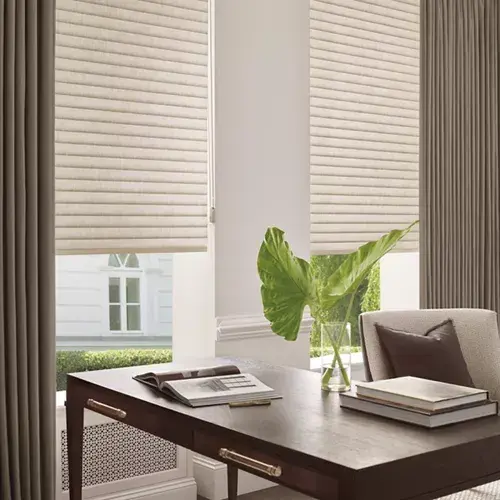
Meet with The Blind Shop design experts to compare materials, control options and performance in your own space.