
Complete product guide
The Complete Motorization Buying Guide
Power, controls, smart-home integration and planning for automated window coverings.
Understand the essentials
A closer look at motorization and the decisions that shape the result.
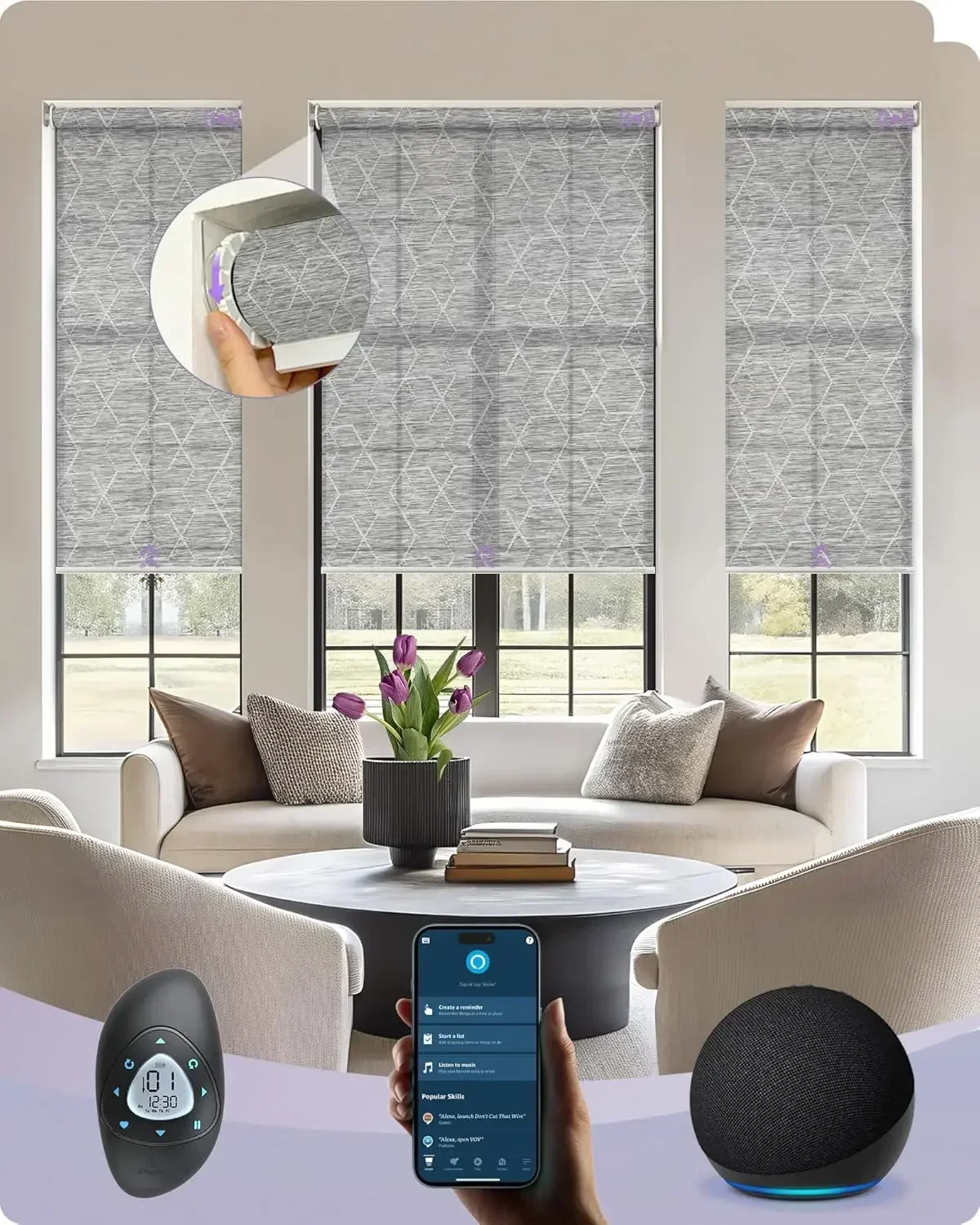
Motorized window coverings replace manual cords or chains with a powered drive. They improve access, consistency and convenience, especially on large, high or frequently adjusted windows. Systems range from simple rechargeable shades with remotes to hardwired, integrated whole-home solutions.
Why homeowners choose them
Four reasons this guide deserves careful consideration.
01
Effortless access
Operate high, wide or hard-to-reach windows without ladders or long controls.
02
Consistent alignment
Move groups of shades together for a cleaner architectural result.
03
Schedules and scenes
Automate privacy, glare and energy routines by time of day.
04
Reduced cords
Motorized operation removes many accessible manual controls.
How it works
How motorization are designed and built
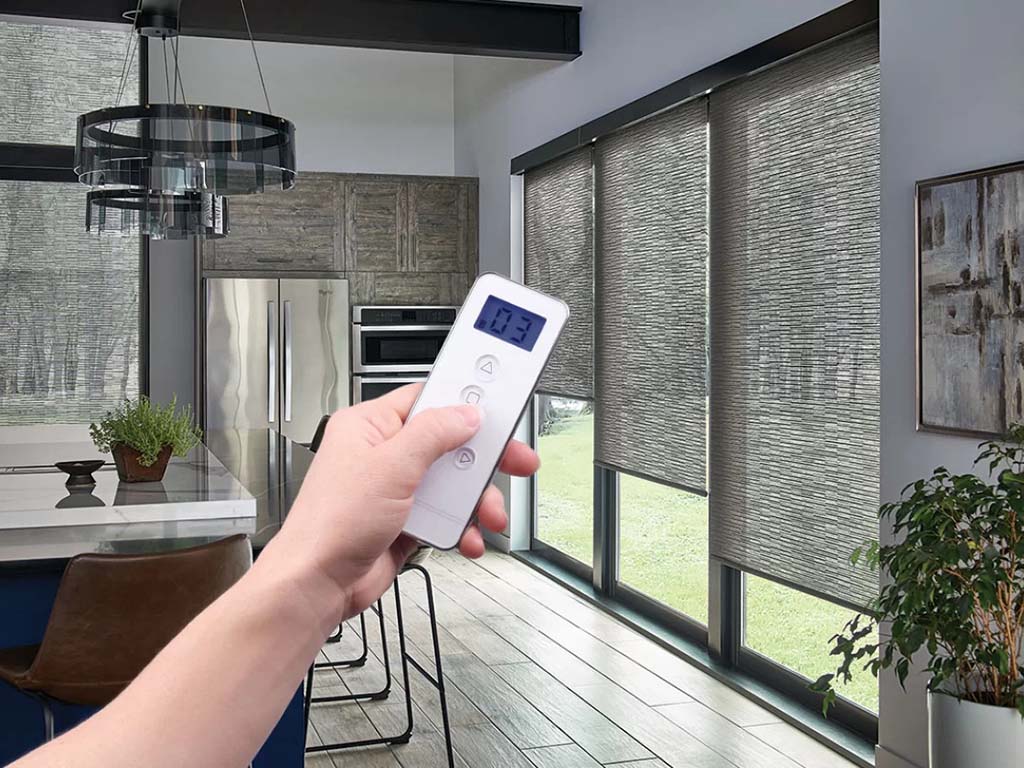
A motor is built into the roller tube, headrail or track. Power may come from replaceable batteries, rechargeable batteries, plug-in transformers, low-voltage wiring or line-voltage wiring. Control options include remotes, wall switches, apps, voice platforms and building-automation systems.
Compare before you choose
How this option differs from nearby alternatives.
Battery and rechargeable systems are easiest to retrofit. Plug-in systems suit locations with nearby outlets. Hardwired systems offer concealed power and are best planned during construction or renovation. Radio control is flexible, while wired or networked integration may offer stronger whole-home reliability.
Where it works beautifully
Consider the room, exposure, privacy needs and how often the treatment will be adjusted.
01
Large living-room windows
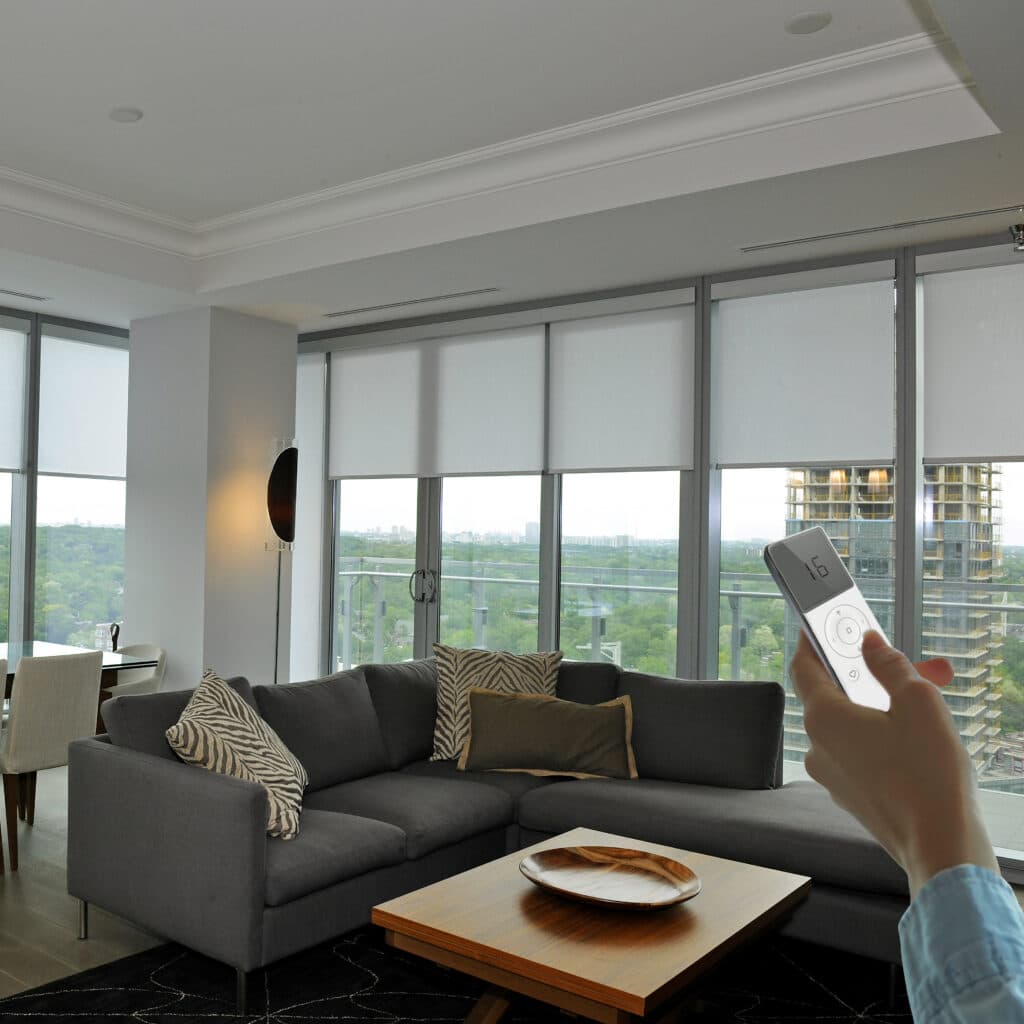
Group shades for synchronized operation and a clean appearance.
02
High stairwell windows
Eliminate difficult manual access.
03
Bedrooms
Use schedules for evening privacy and gradual morning light.
04
Commercial spaces
Coordinate glare control across meeting rooms and shared areas.
Questions, answered
Frequently asked questions
Clear, practical guidance based on the questions homeowners ask most often.
How long do batteries last?
Battery life varies with shade size, fabric weight, motor type, frequency of use and battery capacity.
How often do rechargeable motors need charging?
Many run for months between charges, but actual intervals depend on size and use.
Can existing shades be motorized?
Sometimes, but retrofit options are limited. New purpose-built motorized shades usually provide the best result.
Will motorized shades work during a power outage?
Battery-powered systems usually continue operating. Hardwired systems may require backup power.
Can they connect to a smart home?
Many systems integrate through hubs, bridges or direct protocols. Compatibility should be verified before ordering.
Are motorized shades noisy?
Quality motors are generally quiet, but sound levels differ by motor, shade size and mounting surface.
Can several shades move together?
Yes. Groups, scenes and synchronized channels are common features.
Do I need an electrician?
Battery and some plug-in systems do not. Hardwired power and certain integrations require qualified electrical work.
Are motorized shades child safe?
They reduce accessible operating cords, but installation and furniture placement must still follow safety guidance.
What should be planned before construction?
Confirm shade pockets, wiring routes, power locations, control system, service access and final window dimensions.
Care & longevity
Protect the materials and the mechanism.
Charge or replace batteries before performance becomes inconsistent, keep remotes and app credentials organized, and retain access to motors, power supplies and junctions for future service.
Guidance made personal
Ready to choose with confidence?
Meet with The Blind Shop design experts to compare materials, control options and performance in your own space.