
Complete product guide
The Complete Sheer Shades Buying Guide
Soft fabric vanes suspended between sheer layers for view, light and privacy control.
Understand the essentials
A closer look at sheer shades and the decisions that shape the result.
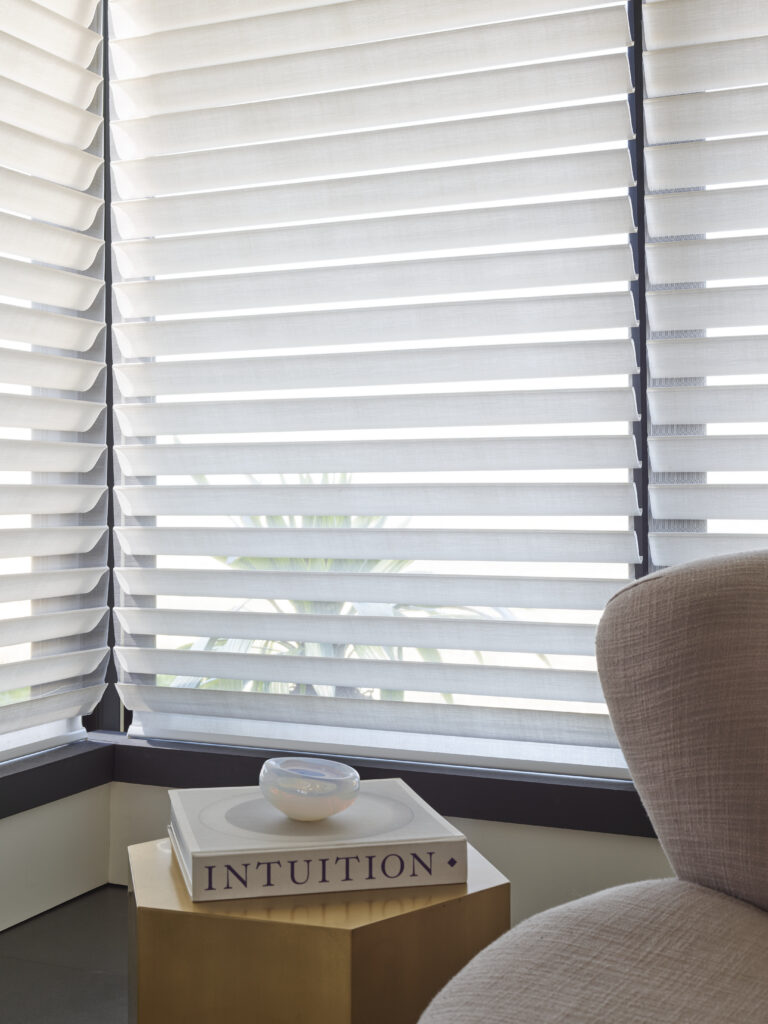
Sheer shades combine translucent fabric facings with horizontal vanes that tilt open or closed. With the vanes open, daylight is softly diffused and the outside view remains visible. When the vanes close, privacy increases and direct light is reduced.
Why homeowners choose them
Four reasons this guide deserves careful consideration.
01
Soft daylight
Sheer facings diffuse harsh sunlight and create an even, comfortable glow.
02
Adjustable vanes
Tilt the vanes to refine view, glare and privacy without fully raising the shade.
03
Elegant appearance
The layered fabric construction feels refined and furniture-like.
04
UV management
Closed or partially closed vanes help protect interiors from direct ultraviolet exposure.
How it works
How sheer shades are designed and built
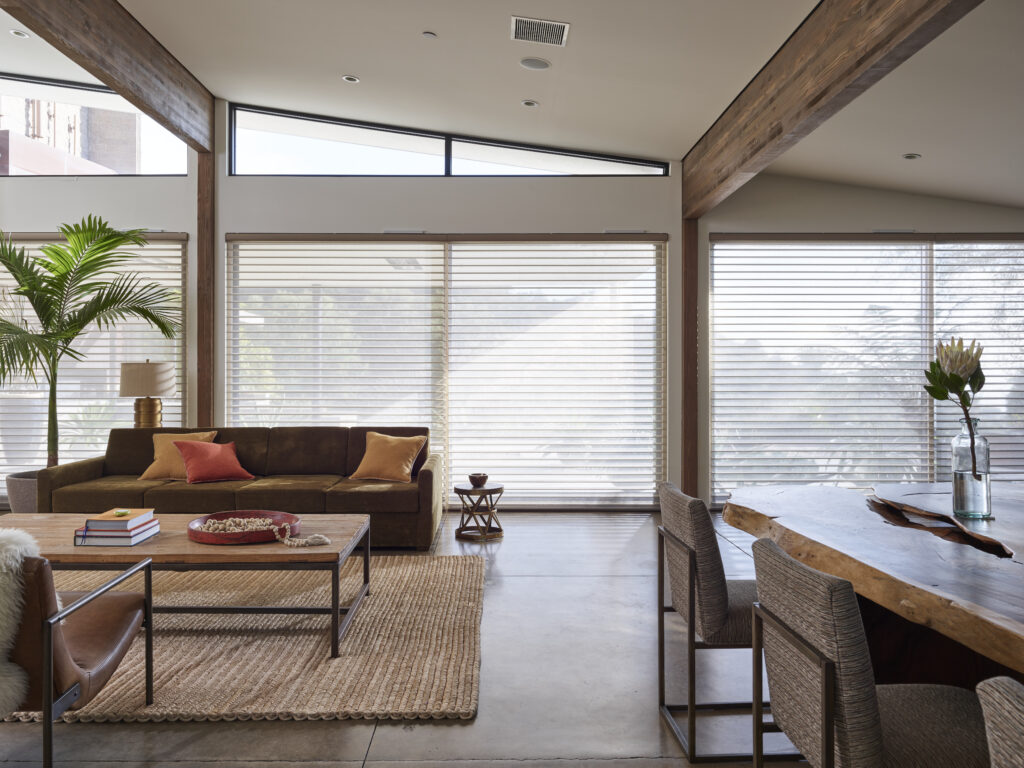
Two sheer fabric layers hold soft horizontal vanes between them. A continuous loop, cordless mechanism or motor rotates and raises the shade. When fully raised, the fabric rolls or folds into a headrail or cassette. The delicate facings require accurate installation and careful handling.
Compare before you choose
How this option differs from nearby alternatives.
Sheer shades are commonly compared with banded shades and horizontal blinds. Choose sheer shades for the softest filtered light and a refined fabric appearance. Choose banded shades for stronger graphic bands. Choose blinds when durability and precise slat tilt are the priorities.
Where it works beautifully
Consider the room, exposure, privacy needs and how often the treatment will be adjusted.
01
Living rooms
Create soft daylight and a polished look while preserving an open feeling.
02
Dining rooms
Add elegance and flexible evening privacy.
03
Primary bedrooms
Use room-darkening vane options or pair with drapery when greater darkness is required.
04
Street-facing windows
Tilt the vanes to balance filtered views with changing privacy needs.
Questions, answered
Frequently asked questions
Clear, practical guidance based on the questions homeowners ask most often.
Do sheer shades provide privacy at night?
Privacy depends on vane position, fabric colour and interior lighting. Closing the vanes improves privacy, but silhouettes may still be visible with bright lights behind the shade.
Do sheer shades block the view?
With vanes open, the sheer layers soften but generally preserve the view. Closed vanes substantially reduce visibility.
Are they blackout shades?
Most are not fully blackout. Some collections offer room-darkening vanes, but edge light can still enter around the treatment.
Can sheer shades be motorized?
Yes. Motorization is popular because it makes precise vane positioning easy and reduces handling of delicate fabric.
Are they suitable for large windows?
Often, within product limits. Wide shades may require upgraded tubes, multiple units or careful alignment.
How do I clean them?
Use a feather duster, compressed air at a safe distance or a low-suction brush. Avoid rubbing, soaking or creasing the sheer fabric.
Do they help protect furnishings?
They can reduce direct UV exposure, especially with vanes closed, though performance varies by fabric and position.
Can people see in during the day?
Daytime privacy is improved when exterior light is stronger than interior light, but it is not absolute. Nighttime conditions reverse this effect.
Are they durable?
Quality systems can last for years, but the sheer facings are more delicate than vinyl, aluminum or many roller fabrics.
What vane size should I choose?
Larger vanes can create a more open view and stronger architectural scale, while smaller vanes suit compact windows and traditional proportions.
Care & longevity
Protect the materials and the mechanism.
Operate the vanes gently, keep the fabric clear of nearby objects and use only low-contact cleaning methods. Professional service is recommended if the fabric becomes misaligned inside the headrail.
Guidance made personal
Ready to choose with confidence?
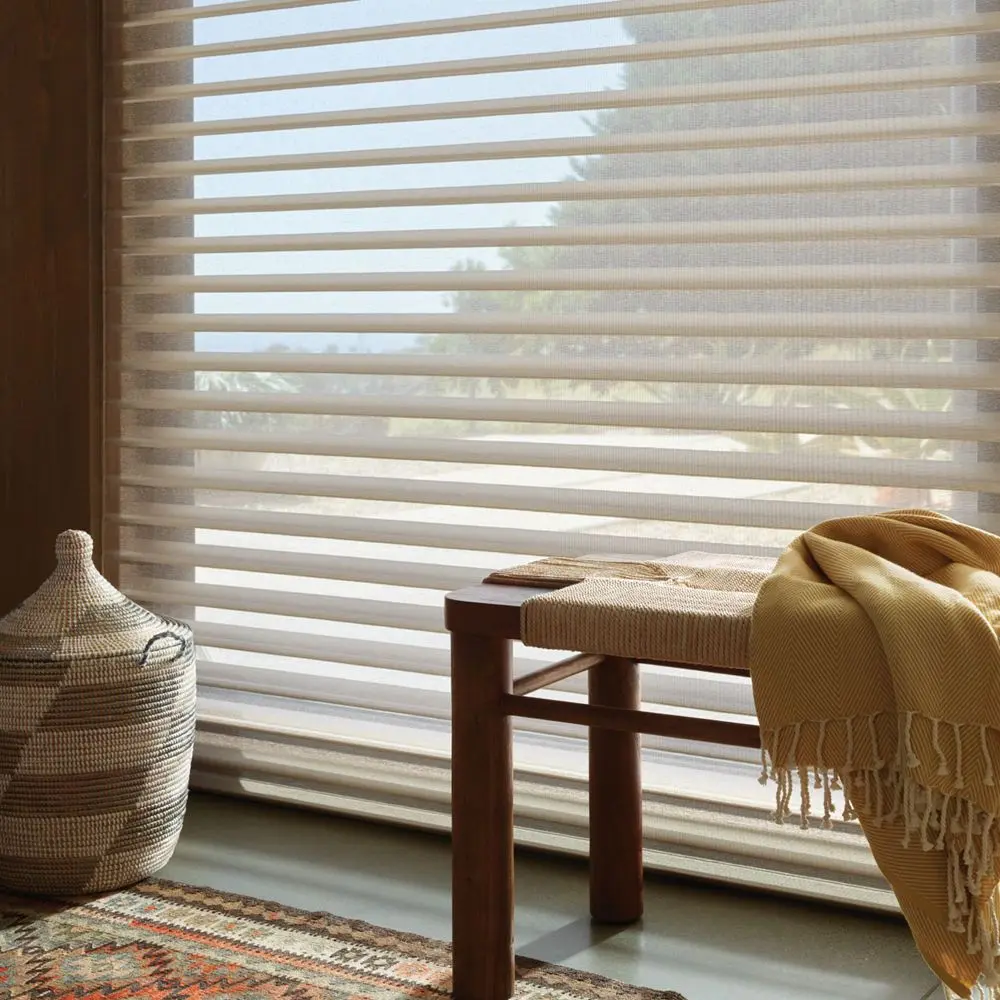
Meet with The Blind Shop design experts to compare materials, control options and performance in your own space.