
Complete product guide
The Complete Solar Shades Buying Guide
A detailed, practical guide to performance, design, operating systems, common questions and the decisions that shape a successful result.
Designed for sun and view
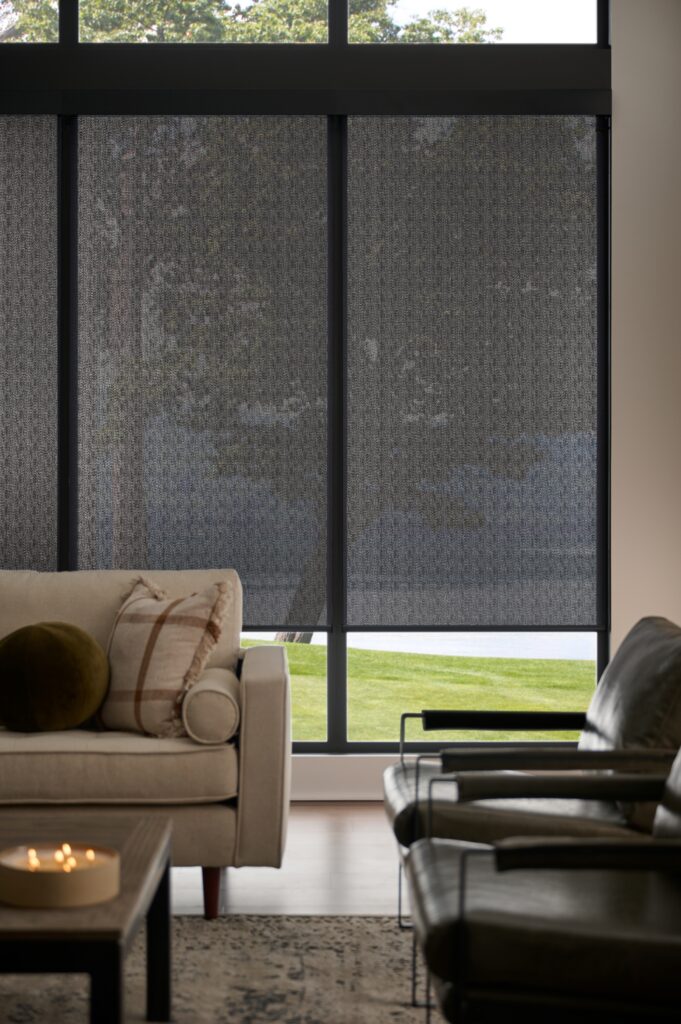
A performance shade that filters glare while maintaining a connection outdoors.
Solar shades use technical mesh fabrics engineered to reduce glare, manage solar exposure and protect interior finishes. Their openness factor determines how much view, light and privacy the shade provides.
Why homeowners choose them
Four reasons this product remains a trusted choice.
01
Glare reduction
Helps make screens, televisions and workspaces more comfortable.
02
UV management
Reduces exposure that can contribute to fading of floors, furniture and artwork.
03
Daytime view-through
Darker mesh fabrics can preserve a clearer view when exterior light is stronger.
04
Modern performance
A restrained appearance suits homes, offices and large glazed spaces.
How it works
Understanding openness factors
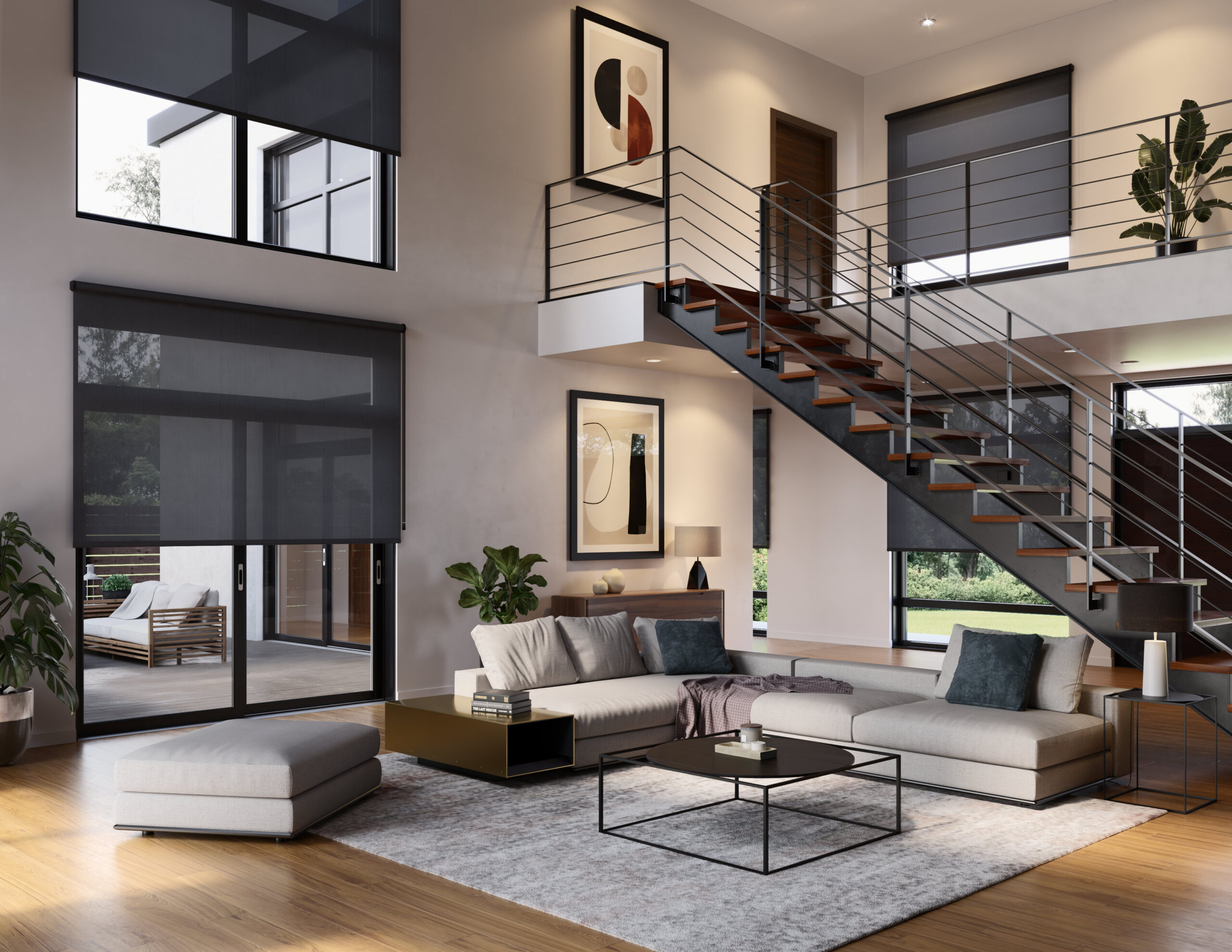
Openness describes the percentage of open area in the mesh. A 1% fabric has a tighter weave and provides stronger glare control and daytime privacy, while a 5% or 10% fabric allows more view and daylight. Performance also changes with colour: darker fabrics usually improve view-through and glare control, while lighter fabrics reflect more visible light.
Compare before you choose
How this product differs from nearby alternatives.
Solar shades are not the same as blackout roller shades. Solar fabrics are intentionally porous, so they do not create nighttime privacy when interior lights are on. For bedrooms or street-facing rooms, pair them with a secondary privacy treatment or select a different product.
Where it works beautifully
Consider the room, exposure, privacy needs and how often the treatment will be adjusted.
01
Living spaces
Balance daylight, view and a finished architectural appearance.
02
Bedrooms
Prioritize privacy, darkness, insulation and quiet operation.
03
Kitchens & dining
Choose materials that suit moisture, cleaning and daily use.
04
Home offices
Control glare without making the room feel closed in.
Questions, answered
Frequently asked questions
Clear, practical guidance based on the questions homeowners ask most often.
What openness factor should I choose?
Choose based on exposure, view priority and glare. One percent offers strong control; three percent balances performance and view; five percent keeps a more open connection outdoors; ten percent is best where view matters more than privacy.
Can people see inside at night?
Yes, often. When the interior is brighter than outside, solar mesh can allow visibility into the room. It should not be relied on as a nighttime privacy product.
Do solar shades reduce heat?
They can reduce solar gain and improve comfort by limiting direct radiation. Exterior shading is generally more effective, but interior solar shades can still make a meaningful difference.
Do solar shades block UV rays?
They reduce UV transmission, but the exact amount depends on openness, colour and fabric specification. Review manufacturer performance data for sensitive interiors.
Are darker solar fabrics better?
Darker fabrics often provide better glare control and outward visibility, while lighter fabrics reflect more light and can brighten the room. The best choice depends on the design and exposure.
Can solar shades be motorized?
Yes. Motorization is common for tall windows, repeated elevations and spaces where shades are adjusted throughout the day.
Are solar shades good for offices?
They are excellent for offices because they reduce screen glare while preserving daylight and outward views.
Can I use solar shades in a bedroom?
Only when nighttime privacy and darkness are not primary concerns, or when layered with another treatment.
How do I clean solar mesh?
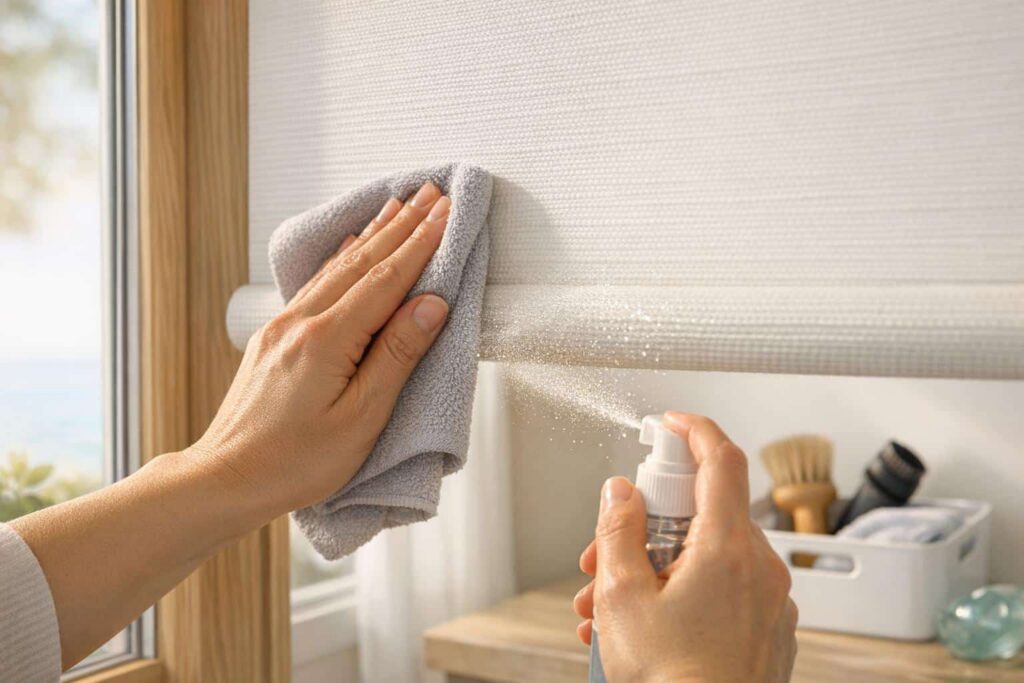
Regularly dust or vacuum gently. Many performance meshes can be wiped with a damp cloth, but always follow the specific fabric instructions.
Will solar shades fade?
Quality fabrics are designed for sun exposure, but all materials age over time. Consistent care and appropriate product specification help preserve appearance.
Care & longevity
Protect the materials and the mechanism.
Gentle dusting, careful operation and prompt attention to alignment or mechanism concerns will preserve appearance and performance. Always follow the fabric and manufacturer care instructions supplied with the finished product.
Guidance made personal
Ready to choose with confidence?
Meet with a Blind Shop design expert to compare materials, control options and performance in your own space.